
Digital Burnout — Recognizing the Signs of Burnout in the Age of Always Connected
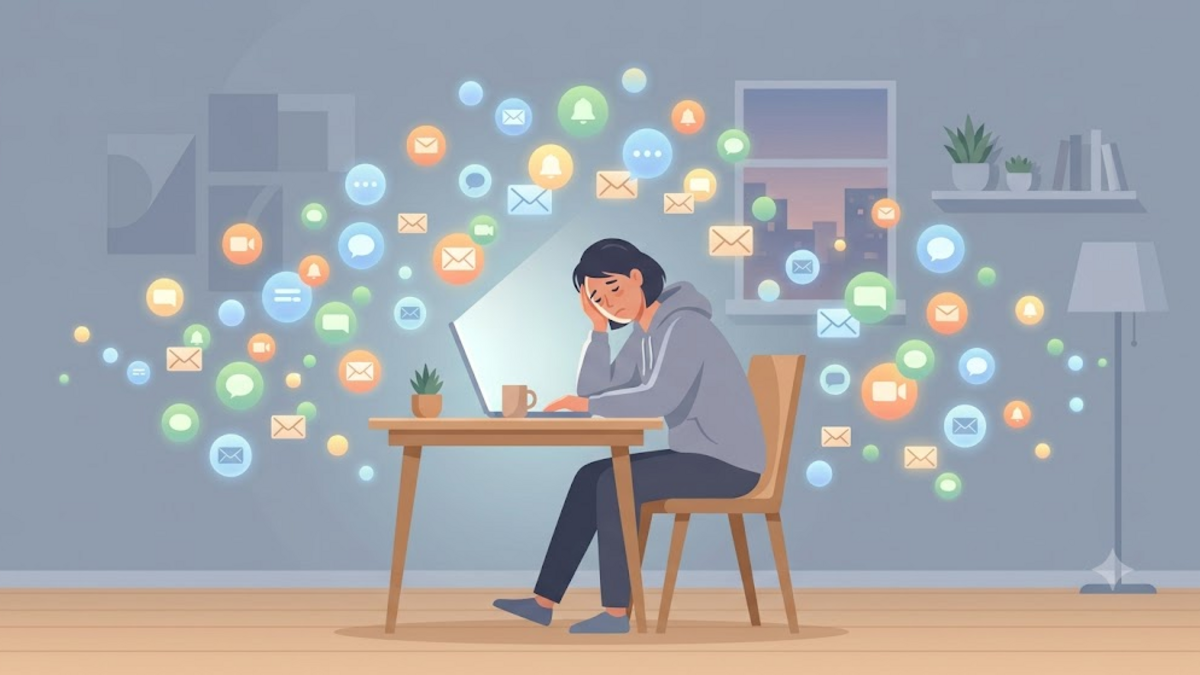
Sometimes I open my laptop with the intention of doing one small task, only to realize three hours later that I've just finished a YouTube marathon, read five Twitter threads, and checked two completely unimportant WhatsApp groups. Not because I'm lazy. Nor is it because the task is difficult. It felt like my brain was being forced to work overtime continuously, even though my body was just sitting in a chair. In this ever-connected era, fatigue no longer comes from carrying rocks or walking long distances. It comes from notifications, timelines, and endlessly repeating small stresses.
We often underestimate digital fatigue. How can someone get tired just from looking at a screen? But every time the screen lights up, our brains have to make micro-decisions: open this or not, reply to this chat now or later, scroll longer or stop. Imagine driving on a busy highway while someone asks you for directions every five seconds. That's what happens in our minds every day. As time goes by, our mental fuel runs out without us realizing it.
What is Digital Fatigue?
Digital fatigue, often called digital fatigue, is a condition in which our thoughts and emotions run out of energy due to excessive exposure to digital information and interactions. Unlike physical fatigue which can improve with sleep, digital fatigue is smoother. You can sleep eight hours, wake up, and still feel empty as soon as you look at your phone screen.
The symptoms are not always screaming. Sometimes the symptoms appear in small ways: difficulty focusing even on simple tasks, anxiety after viewing social media, loss of interest in things that used to be enjoyable, or even a feeling of emptiness after a day of doing nothing in front of a screen. I experienced this while running several projects at once: a home server, a blog, and a cybersecurity study. Every night, instead of resting, I reopen my laptop to make sure everything is OK. But what needs to be checked is not the server. That is my own condition.
Why is it So Hard to Stop?
One of the biggest reasons is the modern app design, which is made to keep attracting attention. Notifications, infinite scroll, and red badges on app icons are simple examples of how technology takes advantage of human psychology. Our brains naturally enjoy new and unexpected things. Each notification is a little gift that makes us want to open the app again, again, and again.
Compare with slot machines in casinos. Players don't know when they will win, but they keep pulling the lever expecting a surprise. Social media apps work the same way. We keep scrolling because maybe, just maybe, there's something interesting waiting below. And when we don't find it, we scroll further in the hope that the next one will be better. The result? Time disappears, attention is fragmented, and mental energy is wasted on things we don't even remember afterwards.
There is also pressure to always be available. In the modern workplace, taking several hours to reply to an email can be considered slow. On social media, not posting for a few days can make us feel like we're falling behind. We live with the expectation that others deserve a quick response from us. But there is no contract that states that we have to be online twenty-four hours a day.
Signs that are often ignored
Digital fatigue is often disguised as something normal. Here are some signs to watch out for:
- It's hard to focus for long. If you used to be able to read for an hour without distraction, but now fifteen minutes feels like a struggle, your attention may have been trained to constantly shift.
- Feeling anxious or sad after using social media. Seeing other people's achievements is not wrong, but it can be dangerous if it makes you feel like your life is not good enough.
- Loss of satisfaction. Completing a task no longer feels meaningful because the mind immediately moves on to the next task.
- Headaches, dry eyes, or sleep disturbances. Your body is talking too, even if you're not listening.
- Digital procrastination. Putting off important tasks by opening other apps, then feeling guilty, then putting them off again. A destructive cycle.
I only realized I was in this phase one night when I was staring at a blank screen without knowing where to start. Not because there is no work. On the contrary, there are too many of them, and they all feel equally important. The screen became a mirror of the chaos in my head.
Small Practices That Help Recovery
You don't need an extreme digital detox that means deleting all your apps or living in the mountains for a month. Small, consistent changes are often much more successful than big revolutions that quickly fade.
First, create a screen-free zone. It could be an hour before bed or an hour after waking up. This time protects the brain from being immediately flooded with information. I try not to touch my phone for the first thirty minutes after waking up. At first it was difficult, but over time I realized that my mornings were calmer and no longer immediately swept up in other people's urgency.
Second, turn off unimportant notifications. You don't need to know every time someone likes a photo, replies to a comment, or posts a story. Let only truly important apps, like family messaging or financial apps, distract you. The rest can wait until you choose to open it.
Third, limit scrolling time with a simple timer. You can use your phone's built-in features or apps like Digital Wellbeing. The goal is not to make you feel guilty, but to provide a stopping point. Without it, we keep walking even though the goal is no longer clear.
Fourth, return offline activities to your daily life. Read a physical book, go for a walk, cook, or just sit on the porch without your phone. This activity reminds the body that the world is still moving even though we are not holding the screen.
Digital Fatigue Is Not a Personal Failure
Remember this: feeling tired doesn't mean you're weak. This means you are human and have limits. The digital world is built to constantly capture your attention, so it takes a conscious effort to take back control. This is not a battle that is won just once. It's a series of small decisions every day.
I've learned that true productivity isn't about how many tabs are open, but about how clear your mind is when you're doing one thing. Technology is a powerful tool, but only if we control it and not vice versa.
Conclusion
Digital fatigue is a real problem today, although it is often overlooked. It comes slowly, slipping behind the habits of scrolling, replying to messages, and the false urgency with which we attribute importance. Recognizing the signs is the first step to becoming a conscious user again, not just a reacting consumer.
If some of the symptoms above feel familiar, try starting with one small thing today: turn off one notification, put your phone aside an hour before bed, or do one fun offline activity. Change doesn't have to be major to be meaningful. Thank you for reading this far. If you've ever experienced digital fatigue, write in the comments or share this article with a friend who might need it.